
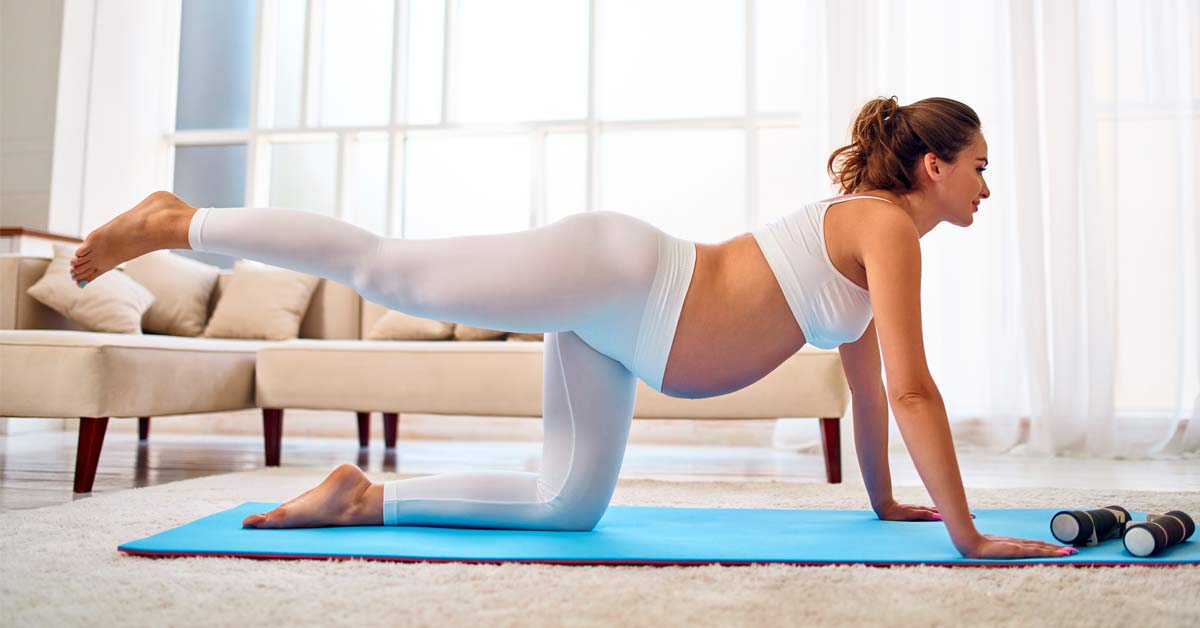
If you’re pregnant or trying to conceive, you’ve probably heard mixed advice about exercise. This can make it hard to know what’s true.
For most women, exercise during pregnancy is not just beneficial. It’s encouraged. But knowing which activities are safe and which ones to avoid is key.
Benefits of Exercise During Pregnancy
Exercise during pregnancy can make a big difference in both your mental and physical health. Here’s how.
- Increases Energy: Exercise can boost your energy levels. This can help you combat the fatigue that often accompanies the first trimester and sometimes sticks around until delivery.
- Improves Your Mood: Physical activity releases endorphins. These natural chemicals can help alleviate stress and mood swings.
- Relieves Pain: Remaining active throughout your pregnancy can relieve everyday aches and pains by strengthening the muscles of the core and back.
- Improves Circulation: Regular physical activity and movement help improve circulation. This can reduce swelling in the lower legs and ankles.
- Improves Sleep: Exercising regularly can help many women fall asleep more quickly and stay asleep longer. Sleep helps your body heal, manage stress, and support your baby’s growth.
- Helps to Prepare the Body for Labor: Exercise improves muscle strength and stamina. This can aid in delivery when it’s time to push.
What Physical Activity is Safe to Do While Pregnant
If you were active before pregnancy, you can often keep your routine. But you may need to make a few minor adjustments. You might need to slow down, avoid high-impact moves, or choose exercises that feel more comfortable as your body changes.
If you weren’t active before pregnancy, it’s not too late to get started. You just have to start slow and build on your progress. In general, it’s safe to incorporate about 30 minutes a day of moderate physical activity while pregnant. Here are some activities that are generally safe to do while pregnant.
- Walking: Walking is a simple and effective activity that can keep your body moving without adding too much physical strain.
- Swimming: Swimming or water aerobics is a great low-impact activity that increases your heart rate. The water supports your increasing body weight and reduces joint strain.
- Stationary Bicycling: Cycling is a safe way to increase your heart rate during pregnancy. A stationary bike lowers the risks of falls or accidents compared to a traditional bicycle.
- Yoga and Stretching: These types of activities help to improve flexibility and reduce stress levels.
- Low-impact Aerobics: Activities such as dancing can be a great way to stay active and improve muscle strength.
- Strength Training: Engaging in strength training with light weights or resistance bands can help maintain strong and healthy muscles. Try to avoid straining or holding your breath while doing these types of exercises.
Exercises and Activities to Avoid While Pregnant
Not all exercises are recommended during pregnancy. Here are a few examples of activities you should steer clear of to make sure both you and your baby stay healthy.
- Contact Sports: Contact sports carry a risk of being hit in the stomach. You should avoid them, especially in the later stages of pregnancy.
- Exercises with an Increased Risk of Falls: Activities like skiing or horseback riding could lead to serious falls or injuries. This could put your pregnancy at risk.
- Scuba Diving: Scuba diving is not safe during pregnancy because pressure changes can harm your unborn baby.
- High-heat Workouts: Hot yoga is beneficial for your muscles and heart health. But it can also increase your body temperature and risk the health of your pregnancy. So skip it during pregnancy.
- Heavy Lifting or Straining: Avoid activities that increase pressure on your core and pelvic floor during pregnancy. This helps reduce the risk of complications.
Helpful Tips for Exercising While Pregnant
Here are a few tips to make exercising during pregnancy easier and safer.
- Stay Hydrated: Hydration is key when exercising during pregnancy. Make sure to drink water before, during, and after your workout.
- Wear Supportive Shoes: Wearing supportive footwear during exercise can help prevent injuries. It can also support your muscles and joints during pregnancy.
- Warm-up and Cool-Down: Gentle stretching before and after exercise can help reduce muscle strain and prevent muscle fatigue.
- Listen to Your Body: Pregnancy can undoubtedly be a confusing time. But it’ss important to always listen to your body while exercising and stop if something feels off.
- Make Modifications: Your body willchange throughout your pregnancy. You may need to adjust some of your movements and intensity levels regularly to maintain comfort and reduce the risk of complications.
When to See Your Doctor
Exercise during pregnancy is usually safe. But you should check your exercise plan with your doctor before starting it. Exercise recommendations can be different for each person. It depends on your health, how far along you are in your pregnancy, and whether you have any pregnancy problems. Here are some warning signs that you should stop exercising immediately and call your doctor.
- Vaginal bleeding or fluid leakage
- Dizziness or fainting
- Shortness of breath
- Chest pain or palpitations
- Severe abdominal or pelvic pain
- Painful contractions before 37 weeks
- Sudden swelling of the face, hands, or legs
Is It Safe to Exercise During Pregnancy?
Exercise during pregnancy is usually safe and helpful for both you and your baby. Staying active can help you feel stronger, have more energy, and support your baby’s healthy growth. When you take care of your body, you’re also taking care of your baby.
Have questions about exercise during pregnancy? Contact our care team in Armory or Starkville to schedule an appointment today.