
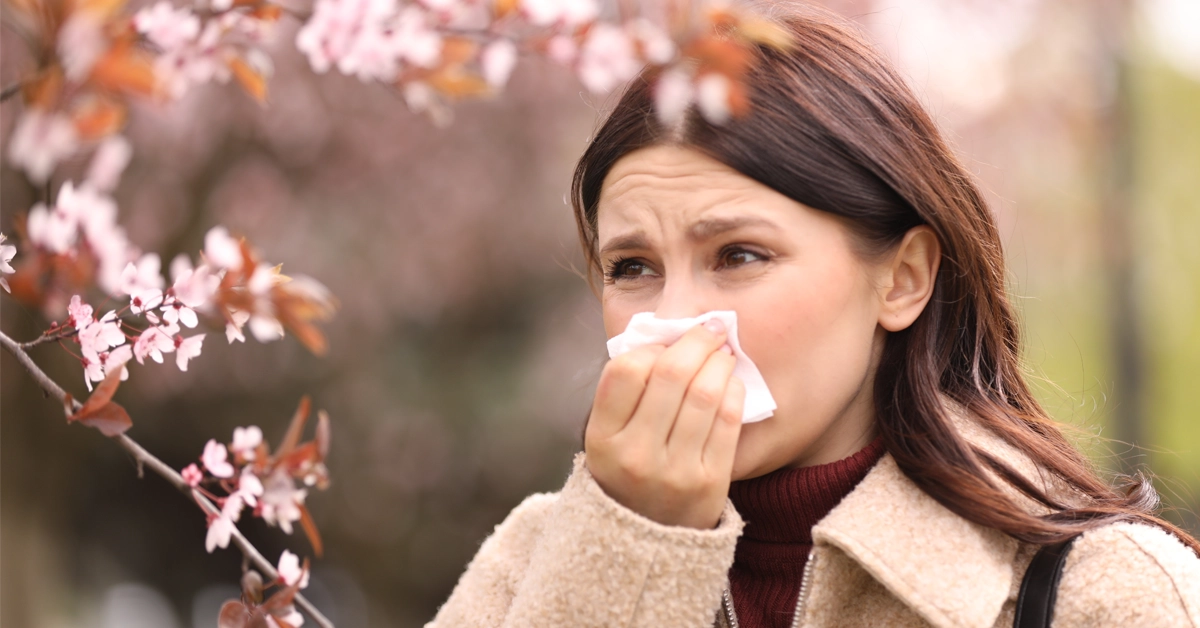
Sneezing, itchy eyes, a stuffy nose, and nonstop drainage can make it hard to enjoy your day. You may dread going outside or feel tired even after a full night’s sleep. If these symptoms show up around the same time every year, seasonal allergies could be the cause.
Managing seasonal allergies starts with knowing what triggers your symptoms and taking steps to reduce your exposure. The good news is that a few simple habits, along with the right treatment, can help you breathe easier and feel better during allergy season.
What Causes Seasonal Allergies?
Seasonal allergies happen when your immune system reacts to things in the air that are usually harmless. Common triggers include:
- Pollen
- Mold spores
- Dust mites
- Pet dander
During some seasons, pollen and mold levels increase. Tree pollen is common in the spring, grass pollen often peaks in late spring and summer, and ragweed is a common trigger in the fall. Mold may also increase during damp or windy weather. For some people, allergy symptoms last through much of the year.
When your body reacts to these triggers, it releases chemicals that cause swelling and irritation in your eyes, nose, and throat. This can lead to sneezing, a runny nose, congestion, itchy or watery eyes, postnasal drip, coughing, and fatigue.
How Are Seasonal Allergies Treated?
The goal of treatment is to reduce your symptoms so you can feel more comfortable during allergy season. Treatment depends on what triggers your allergies. It may include avoiding allergens, taking medication, or making simple changes around your home.
7 Tips for Managing Seasonal Allergies
1. Start Allergy Medication Early
Don’t wait until your symptoms get worse. Starting medication before pollen counts rise may help reduce your symptoms.
- Antihistamines like cetirizine, loratadine, and fexofenadine may help relieve sneezing, itching, and a runny nose.
- Nasal steroid sprays like fluticasone and triamcinolone may help reduce swelling and congestion.
- If your symptoms are severe or don’t get better, your doctor may prescribe medication, an inhaler, or allergy shots.
2. Keep Your Windows Closed
Open windows let pollen and mold spores into your home and car. Keeping them closed during high pollen days helps reduce your exposure.
3. Shower Before Bed
Pollen can collect on your hair and skin during the day. Showering before bed helps keep allergens off your pillow and away from your eyes and nose while you sleep.
4. Change Clothes After Being Outside
Pollen sticks to your clothes after you spend time outside. Changing your clothes helps keep pollen from spreading through your home.
5. Be Careful With Yardwork
Mowing the lawn or raking leaves can stir up pollen and mold. If these jobs make your symptoms worse, wear a mask or ask someone else to help.
6. Use a Saline Nasal Rinse
A saline rinse can wash pollen, dust, mucus, and other irritants out of your nose. This may help reduce congestion and make it easier to breathe.
7. Check the Pollen Forecast
Checking local pollen levels can help you plan outdoor activities. On days when pollen counts are high, spending less time outside may help reduce your symptoms.
Managing Seasonal Allergies: When It’s Time to See a Doctor
Many people can manage seasonal allergies with medications, avoiding common triggers, and making a few changes at home. But if your symptoms keep coming back, don’t improve with over-the-counter treatments, or make it hard to enjoy your daily life, it’s time to see a doctor.
At P&S Clinic, we help patients find the cause of their allergy symptoms and create a treatment plan that fits their needs. If you’re looking for help managing seasonal allergies in Amory or Columbus, contact our team today to schedule an appointment.